

 See My Latest Article on HelloNation

What Makes Insurance for Rideshare Drivers in Birmingham, AL Unique?
Rideshare drivers face insurance needs that differ from standard personal auto coverage. Driving for rideshare apps means using a personal vehicle for commercial activities, which introduces gaps and risks that many Birmingham, AL drivers may not expect.
In the city, most personal auto policies do not extend full coverage when the vehicle is used to transport passengers for payment. Local drivers who rely on these apps might discover out-of-pocket expenses or denied claims if an accident happens while rideshare driving.
Does a Standard Auto Policy Cover Rideshare Activities?
A standard personal auto policy typically covers you when driving for personal reasons but not when working with a rideshare company. The majority of policies in Birmingham exclude coverage during commercial activity, especially after you accept a ride or are transporting passengers.
There are generally three periods in the ridesharing process:
- Period 1: App is on, driver is waiting for a request
- Period 2: Ride accepted, en route to pick up
- Period 3: Passenger is in the vehicle
Most personal auto insurance does not cover Periods 2 and 3. Even in Period 1, coverage can be limited or explicitly excluded. This means that if an accident happens while your app is active, you may not be fully covered—creating risks for drivers in the local community.
Do Rideshare Companies Provide Any Insurance?
Large rideshare platforms provide some level of insurance, but it often only applies under certain conditions and may not fully protect Birmingham drivers.
How this typically works:
- While waiting for a ride (Period 1): Limited liability coverage may be provided by the company, but not comprehensive or collision.
- En route or transporting a passenger (Periods 2 and 3): The company typically provides higher liability limits, plus contingent comprehensive and collision—but these often require that the driver’s personal insurance also includes these coverages.
The coverage from the rideshare platform usually acts as secondary, meaning your personal policy must respond first in some circumstances. There are also deductibles involved—often higher than most personal policies—so Birmingham drivers may be stuck with large repair bills if their vehicle is damaged.
What Gaps Can Birmingham Rideshare Drivers Face?
The largest gap is during the period when the rideshare app is on, but the driver hasn’t accepted a ride request yet. Many drivers believe the app’s insurance covers them entirely during this window, but liability coverage (for injuries/damages to others) is much lower, and there is usually no coverage for damage to your car.
Additionally, if using the car for ridesharing is not disclosed to the insurer, some drivers could risk policy cancellation or denial of claims after a crash. Since Birmingham is a city where many rely on supplemental driving income, these insurance gaps can be both an economic and legal concern.
Can You Add Extra Insurance for Ridesharing in Birmingham?
Yes, some insurers offer a “rideshare rider” or endorsement to fill the gap between personal and platform-provided coverage. This add-on bridges the gap during Period 1 and may provide expanded coverage for your vehicle, depending on the insurance company’s offerings locally.
This endorsement can help:
- Extend coverage during periods when neither your auto policy nor the rideshare company’s policy fully protects you
- Ensure collision/comprehensive remains in place while waiting for ride requests
- Reduce the risk of claim denials or coverage disputes
Premiums for such endorsements are generally modest when compared to the potential financial risk of being underinsured. It is especially relevant for Birmingham residents who use their vehicles for both personal and rideshare activities.
What Should You Tell Your Insurance Company?
It’s important to be upfront about all the ways you use your vehicle—including rideshare driving. Failure to disclose commercial use can violate policy terms, leading to denied claims if an incident happens while you are working.
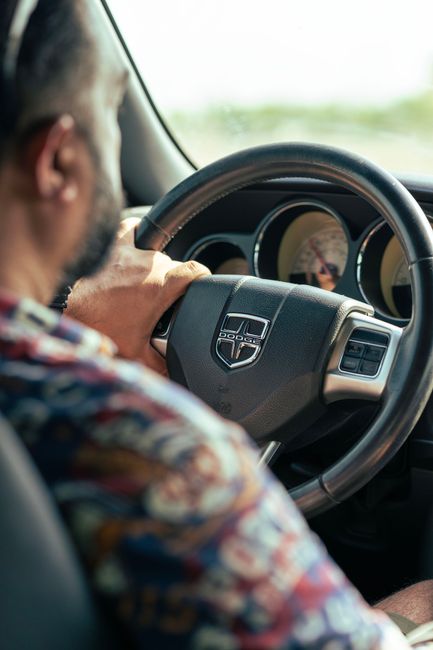
Many local drivers feel nervous about increased rates, but the risk of driving uninsured is far more costly. Legitimately adding the correct coverage offers peace of mind and financial protection if something goes wrong while driving in the Birmingham area.
Are There Special Considerations for Birmingham Drivers?
Local road and weather conditions, such as heavy summer rainfalls and occasional icy winter mornings, can increase risks for those frequently driving throughout the city. High-traffic areas near downtown, universities, and sporting events present additional hazards. Increased vehicle use—especially at night, on weekends, or during major events—raises the chance of accidents. As a result, Birmingham drivers who use their personal vehicles for rideshare work should seriously evaluate their insurance coverage to avoid unexpected gaps and out-of-pocket expenses.
How Do Rideshare Insurance Requirements Work with Other Local Laws?
Alabama law requires all drivers to carry minimum liability insurance. However, these required minimums may not be adequate or even applicable during rideshare activities unless you are correctly covered. The state also requires timely reporting of commercial use to the insurer to avoid coverage disputes. Rideshare drivers in Birmingham should be aware that failing to comply could impact both legal standing and insurance protection. Misunderstanding how state laws and insurance policies interact is a common source of confusion. Checking policy details and confirming rideshare-related coverage is the safest approach for the city’s drivers.
What If You Have an Accident While Driving for a Rideshare App?
If an incident occurs while working as a rideshare driver, report the accident to both the rideshare company and your insurance provider. Document everything—including the app status at the time of the incident—because each insurer will determine who is responsible based on your activity in one of the three periods. Birmingham drivers should expect:
- To pay the company’s higher deductible if relying on the platform’s contingent coverage
- That personal policy claims could be denied if rideshare use wasn’t disclosed
- That injury to a passenger may be covered by the company’s liability limits, but property damage to your own car may not be unless you have the right add-on coverage
Staying organized after an accident and communicating clearly will help smooth the claims process in complex cases.
What Common Mistake Should Local Rideshare Drivers Avoid?
A frequent pitfall is assuming that either personal auto insurance or the platform alone provides complete protection for all situations. In reality, neither policy offers seamless coverage throughout each stage of rideshare activity.
It is also a mistake to skip the rideshare endorsement to save on premium costs, only to find coverage denied later. For drivers in Birmingham relying on ridesharing as a primary or side source of income, reviewing coverage details and making honest disclosures to insurers is crucial to prevent unpleasant surprises.