

 See My Latest Article on HelloNation
What Does “Full Coverage” Mean in Birmingham, AL?
“Full coverage” auto insurance is a common term in Birmingham, AL, but it is not a specific insurance product or required legal category. Instead, it refers to a combination of insurance coverages that protect both your car and yourself, as well as others on the road, under a variety of circumstances. Despite its reassuring name, full coverage does not guarantee that every possible situation is covered.
In practical terms, full coverage combines the types of insurance most commonly needed or required by local lenders and drivers:
- Liability coverage (required by Alabama law)
- Comprehensive coverage
- Collision coverage
Other add-ons or endorsements may also be included, but these are the core components. Each piece covers different risks local drivers often face on Birmingham’s busy roads and during unpredictable weather events.
What Are the Components of Full Coverage Insurance?
Full coverage consists of several policies bundled together. Here’s what each part addresses:
Liability Coverage: What Alabama Law Requires
Every driver in Birmingham must carry at least the state minimum for liability coverage. This pays for injuries and property damage you cause to others if you’re found at fault in an accident.
- Bodily injury liability covers medical expenses for others.
- Property damage liability covers damage to someone else’s car or property.
Minimums in Alabama are often written as 25/50/25, representing $25,000 per person for injuries, $50,000 per accident, and $25,000 for property damage. Local lenders and leasing companies usually require higher limits.
Collision Coverage: Protecting Your Vehicle in an Accident
Collision covers damage to your own vehicle if you hit another car, a stationary object, or if you roll your car over. In Birmingham, this can be crucial not just for highway accidents but also for the fender-benders that happen in local parking lots or during congested commutes.
Collision coverage pays regardless of who was at fault, but you’ll need to pay your deductible first.
Comprehensive Coverage: Beyond Collisions
Comprehensive coverage handles events outside your control, such as:
- Theft or vandalism (an occasional concern in city areas)
- Fire and hail damage (relevant in Birmingham’s stormy spring and summer)
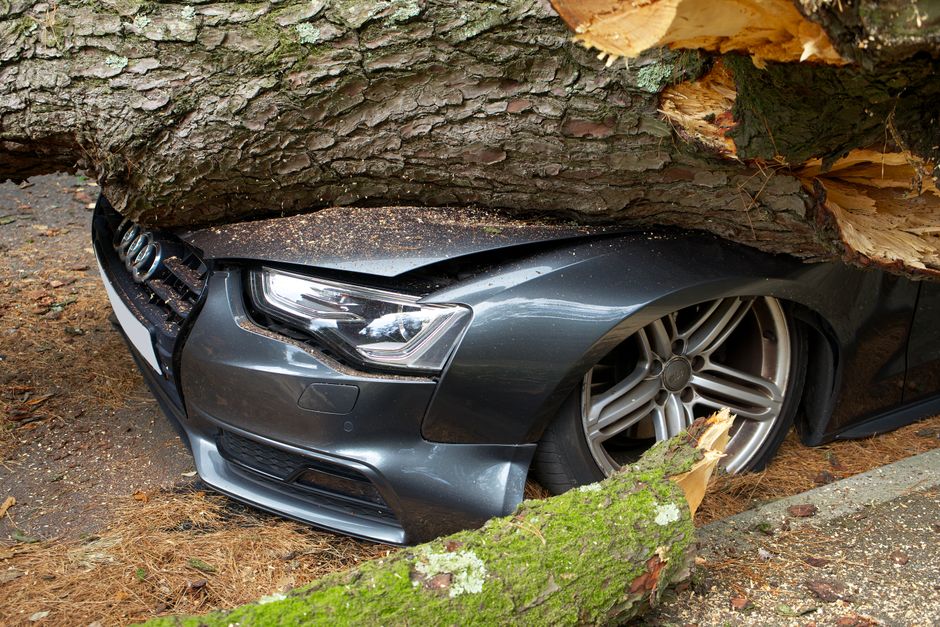
- Falling trees or branches, especially after heavy rain
- Hitting a deer or other wildlife
This coverage is especially useful in Birmingham, where seasonal storms and occasional tornadoes can cause significant damage to parked vehicles.
What Does Full Coverage Not Include?
Despite its name, full coverage is not “everything coverage.” There are important gaps that residents sometimes overlook:
- Routine maintenance, breakdowns, or mechanical failure are not covered.
- Aftermarket custom parts may not be fully insured unless you add extra coverage.
- Personal belongings stolen from your vehicle generally fall under homeowners or renters insurance, not auto.
- Using your car for rideshare or delivery services usually requires separate commercial insurance or special endorsements.
Some drivers assume “full coverage” will cover rental vehicles, roadside assistance, or uninsured motorist accidents by default, but these are often optional add-ons.
Are There Optional Add-Ons That Make Sense for Birmingham Drivers?
Yes, many area drivers choose endorsements or extra products to fill common gaps:
- Uninsured/Underinsured Motorist Coverage: Standard liability won’t help if you’re hit by someone without enough insurance, and Alabama has a higher-than-average percentage of uninsured drivers.
- Medical Payments Coverage: Pays for immediate medical expenses for you and your passengers, which can help cover health insurance deductibles.
- Roadside Assistance: Useful for breakdowns on Birmingham’s highways or rural outskirts.
- Rental Reimbursement: Helps pay for a rental car if yours is in the shop after a covered claim.
These add-ons typically increase the premium, but they address risks unique to Birmingham’s roads and occasionally severe weather.
How Are Deductibles and Limits Chosen?
A deductible is what you’ll pay out-of-pocket before coverage kicks in on a claim. Higher deductibles lower your premium but increase your costs in an accident. Coverage limits decide the total amount the insurer pays. Lenders financing vehicles in Birmingham may require certain minimum coverage limits, but area residents often choose higher amounts for more peace of mind—especially those commuting daily near busy highway interchanges.
What’s a Common Misconception About Full Coverage?
One of the most frequent misunderstandings in Birmingham is believing that “full coverage” means every scenario is financially protected. For example:
- Flooding: Severe flash floods are possible in the region. Comprehensive policies typically cover flood damage, but water damage from poor maintenance (like leaking sunroofs) is not covered.
- Loan/Lease Payoff (Gap) Coverage: If your car is totaled but you owe more than the car’s value, standard insurance may not pay off your loan fully. Gap coverage can address this, but it is not included in a basic full coverage policy.
- Stolen Personal Items: Personal property left in your car, such as laptops or bags, are not protected under standard auto policies.
Why Do Lenders and Dealers Care About Full Coverage?
When you finance or lease a vehicle in Birmingham, the lender is technically the owner until you pay it off. To protect their investment, they nearly always require both comprehensive and collision coverage. Local dealerships will confirm that proof of proper coverage is needed before finalizing a sale with financing. Once a vehicle is paid off, choosing to keep full coverage becomes a personal decision based on your risk tolerance, daily travel, and ability to pay out-of-pocket for damages.
How Does Full Coverage Fit Local Driving Habits and Risks?
Residents in Birmingham face:
- Higher risks of storm-related and hail damage than many southern cities
- Occasional urban vandalism and auto theft
- Busy morning and evening commute routes that see frequent minor collisions
Because of these factors, many local households keep both comprehensive and collision coverage beyond the time required by a lender, especially if their vehicles would be expensive or difficult to replace out-of-pocket.
What Are Practical Steps to Review Your Coverage?
To know if your current protection is truly “full” for your needs:
- Review your policy declarations page for all included and excluded coverages.
- Consider risks unique to the area, such as tornado damage or high uninsured driver rates.
- Think about your daily driving patterns—do you park outside, commute long distances, or carry valuable property?
- Evaluate whether optional coverages, such as rental reimbursement or uninsured motorist, make sense based on your routine.