

 See My Latest Article on HelloNation

Does Typical Home Insurance Cover Natural Disasters in Birmingham, AL?
Most standard home insurance policies in Birmingham cover certain disasters but not all. While fire, wind, hail, and lightning are included in many policies, other hazards—like flooding and earthquakes—are usually excluded or require special endorsements. Homeowners often assume “full coverage” protects against any weather threat, but actual protection depends on the details of the policy.
Which Disasters Are Most Relevant for Birmingham Homeowners?
Local conditions shape what you need covered. Birmingham’s humid subtropical climate brings heavy rain, spring storms, the potential for tornadoes, and occasional ice or snow events. Flooding from flash storms or river overflow is a risk, even outside official flood zones. Although the area isn’t directly hit by hurricanes, remnants can still cause heavy wind and water damage.
Common local dangers include:
- Severe thunderstorms and tornadoes
- Hail and straight-line winds
- Flash flooding and surface water intrusion
- Frozen pipes or winter storm damage (occasionally)
Earthquakes are rare here but not impossible, and, notably, flood events are increasingly unpredictable. Home insurance only protects against some of these risks.
Is Flood Damage Included in Standard Home Policies?
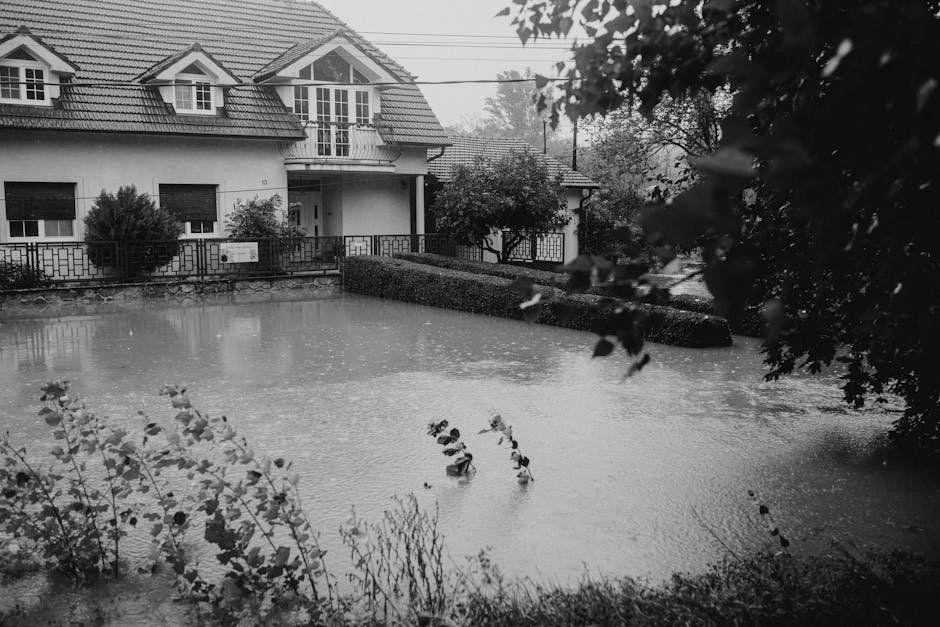
Flooding is not covered by standard home insurance policies in Birmingham or anywhere else in the U.S. This includes water entering the home from the ground, river, or drainage system backing up during a large storm. Many discover this exclusion only after a flooding event.
Flood coverage must be purchased separately, most often through the National Flood Insurance Program (NFIP) or a private insurer. Even properties not in mapped flood zones may be at risk—stormwater runoff, overwhelmed drainage systems, and construction upstream can all cause localized flooding that surprises area homeowners.
What About Tornadoes and Windstorms?
Wind and hail, including damage from tornadoes, are typically included in standard homeowners policies in Birmingham. However, deductibles for wind or hail claims may be higher than for other types of damage—sometimes these are set as a percentage of the home’s insured value, not a flat dollar amount. Review policy language carefully to understand which deductibles apply and how repairs are valued.
If a tornado or windstorm breaches the home and rainwater then damages the interior, this is usually covered—so long as the wind caused the opening. If rain enters through an existing gap due to maintenance issues, that may not be covered.
How Are Roofs, Siding, and Exterior Structures Protected?
Storms in Birmingham frequently damage roofs, siding, garages, and outbuildings. Coverage for these elements is included, but policies often factor in “wear and tear” or age of materials. For older roofs especially, some policies may pay out based on the depreciated value rather than the full cost to replace. Other times, cosmetic damage (like minor dents from hail) may be excluded, while functional damage is covered.
Accessory structures—like sheds or fences—usually have coverage limits that are far lower than the policy’s primary dwelling protection. Carefully review exclusions and limits in the section covering “other structures.”
Are There Misconceptions About Natural Disaster Protection?
Many in Birmingham believe their policy is “comprehensive” but overlook crucial gaps:
- Flood insurance must be purchased as a separate policy.
- Sewer or drain backups often require an additional endorsement, especially during heavy storms.
- Coverage for landscaping, detached garages, or pools may be limited or excluded.
- Mold remediation often has strict limits, especially if it results from a slow leak or maintenance problem rather than a sudden covered event.
Misreading the summary pages (“Declarations”) often leads people to miss these details. Reading the full policy or consulting the official documentation is the only way to know for sure.
What’s the Process for Evaluating If Coverage Is Sufficient?
Evaluate your coverage by matching it to real local risks:
- Review your homeowner’s insurance declarations page and endorsement list.
- Identify your home’s unique characteristics—basement, crawl space, proximity to creeks, age of roof, type of exterior cladding.
- Consider available flood risk maps, but don’t rely only on them; remember, many Birmingham homes have experienced flooding outside high-risk zones.
- Compare deductibles for different damage types, especially for wind or hail claims.
- Estimate replacement costs for the entire home and for major systems—sometimes policy limits are outdated due to inflation or increased building costs.
For additional peace of mind, compare what repairs would cost today versus your policy limits, especially for exterior and structural damage. If replacement costs have risen significantly in the area, you may need to increase your limits or purchase inflation protection endorsements.
Are There Local Factors That Affect Insurance Needs?
Birmingham area homes vary widely—from older houses in historic neighborhoods to newer developments on the edges of town. Local construction trends—such as crawl spaces, basements, or slab foundations—may affect how vulnerable a home is to certain types of water intrusion or severe weather. Local floodplain changes, drainage improvements, or increased development can affect risk over time as well, even if the official maps haven’t caught up. Many residents have experienced unexpected flooding or water intrusion during especially heavy storms, even in areas previously thought to be low-risk. Factors that may change your coverage needs include:
- Recent construction or remodeling
- Additions like finished basements or detached garages
- Property located near streams, rivers, or low-lying lots
What Are Practical Steps Homeowners in the Community Can Take?
Understanding the specifics of your policy, paired with awareness of local hazards, is fundamental for confidence during disaster season. Review and update your insurance regularly, especially if you renovate, add square footage, or make major upgrades. Local homeowners can also:
- Check policy exclusions and limits before storm season each year
- Monitor rainfall trends and changes in local drainage infrastructure
- Consider extra backup power or sump pumps if your home is prone to basement or crawl-space flooding
- Store important documents and keep a home inventory
Knowing exactly what your insurance covers—and what it doesn’t—helps area residents avoid costly surprises when storms or floods hit.